Founders
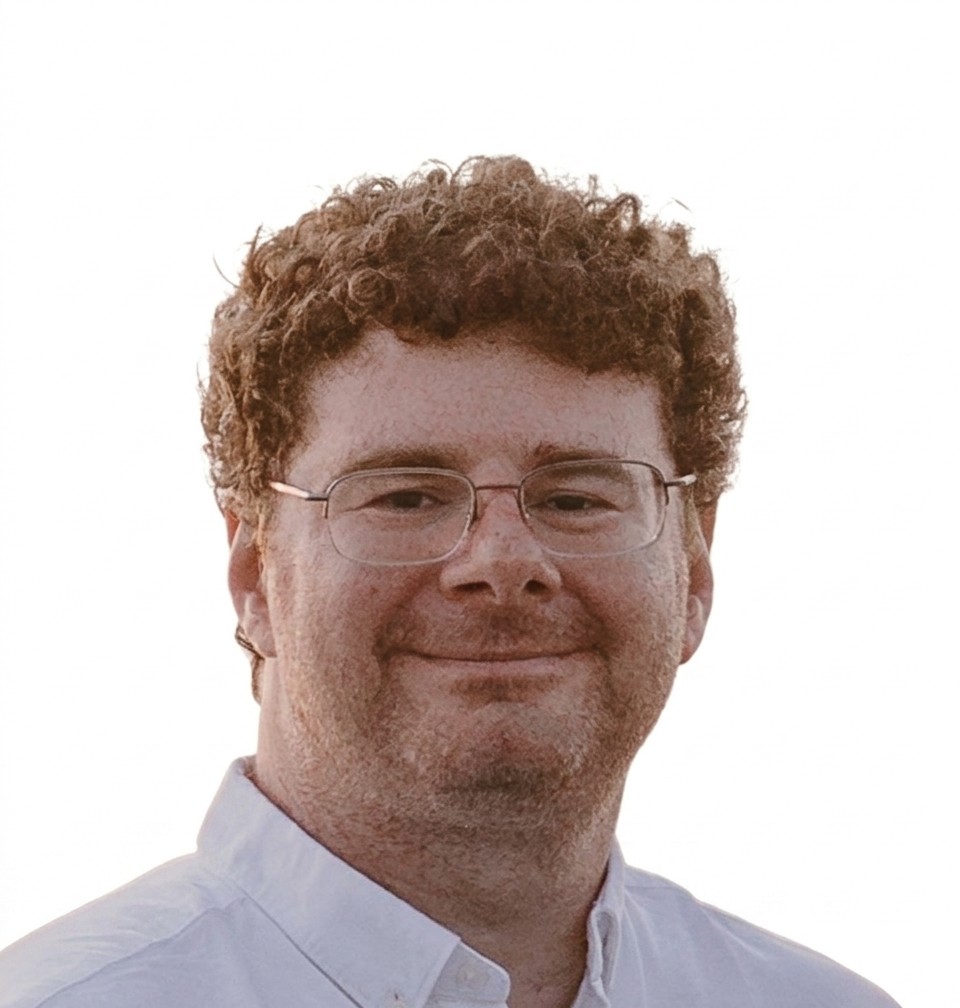
Josh is Molly’s father and co-founder of the SLC1A4 Initiative. As a board-certified emergency medicine physician with leadership experience in Emergency Department operations and clinical quality improvement, he has taken an active role in accelerating efforts to develop a treatment for SLC1A4 Deficiency.
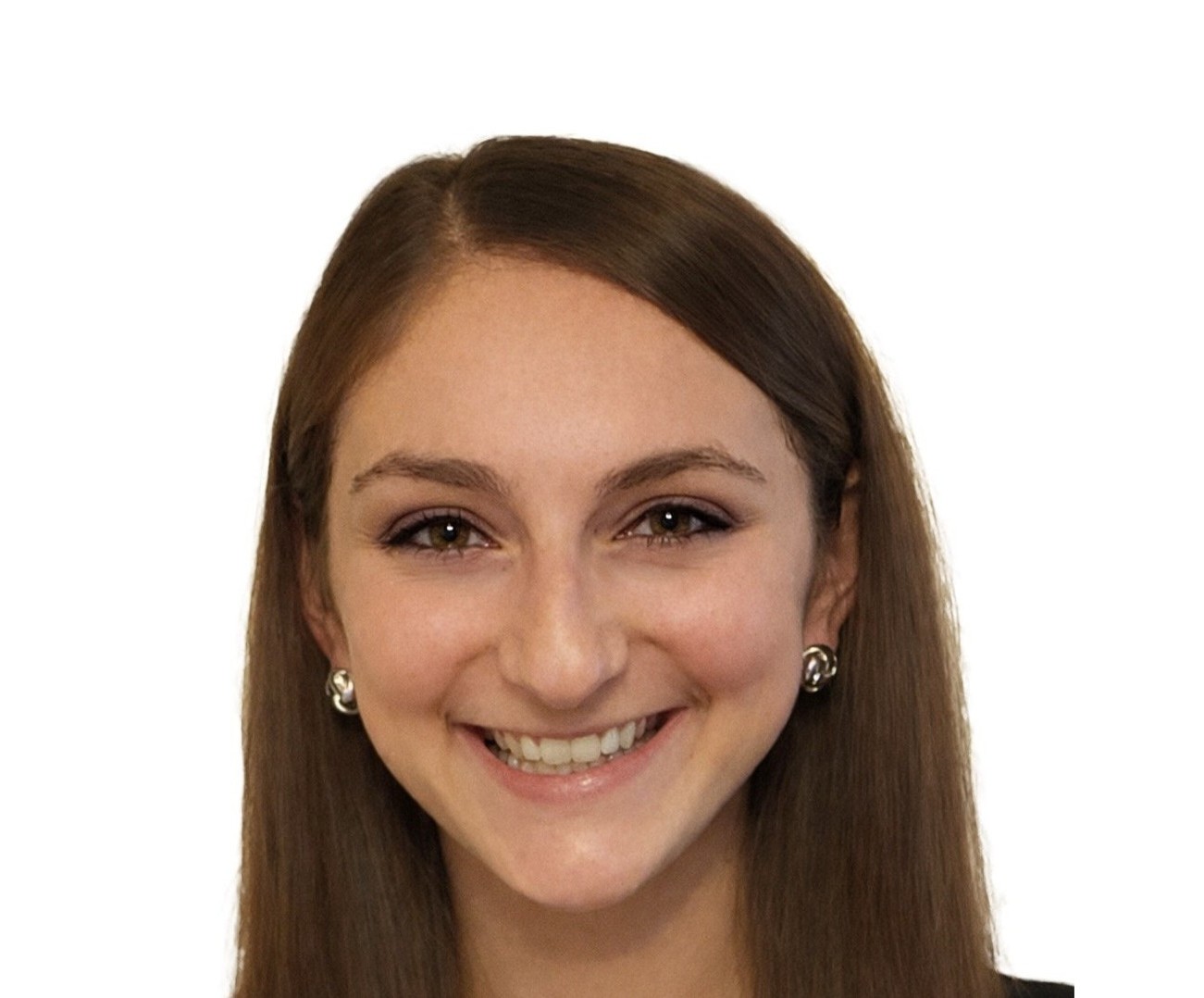
Jenny is Molly’s mother and co-founder of the SLC1A4 Initiative. She has played a central role in shaping the initiative’s strategy and long-term vision. Jenny holds a PhD in Education Leadership and has worked in systems-level positions in education and Jewish communal work. She brings a strategic, impact-focused approach to advancing the mission.
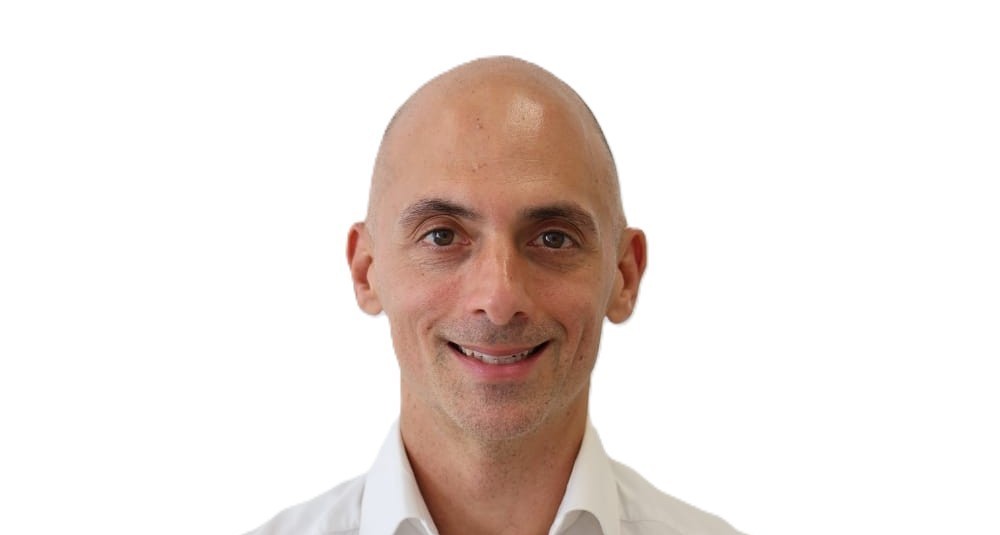
Greg is a South Africa-based commercial property professional and co-founder of both the SLC1A4 Initiative and the Rare Alliance Foundation. When his son Levi — believed to be the only known case of SLC1A4 in Africa — was diagnosed before the age of five, Greg turned a father's urgency into purposeful action. He brings an outcomes-driven approach and a deep conviction that well-directed philanthropic capital can move science faster than institutions alone.
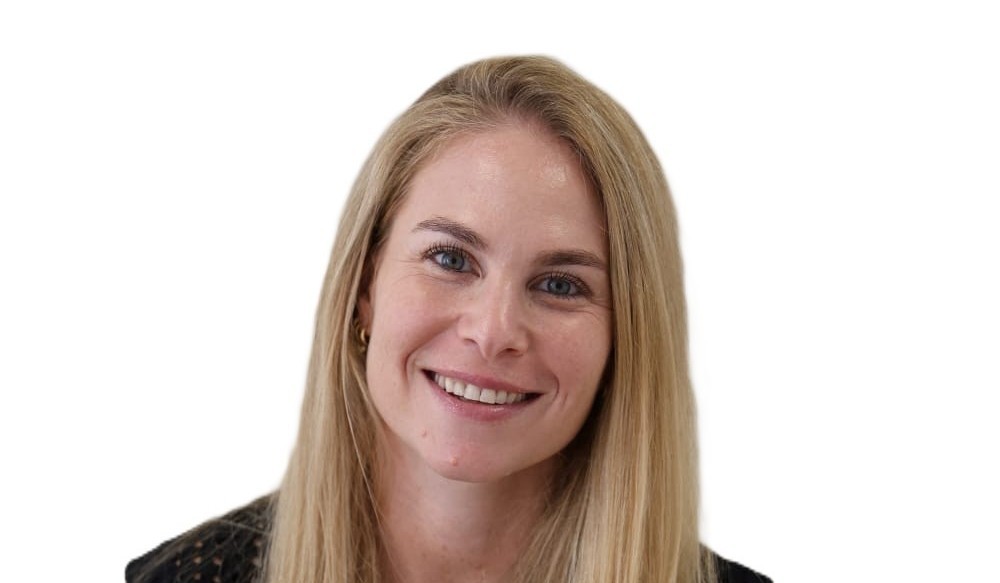
Martine is a South African physiotherapist specializing in sports and rehabilitation, and co-founder of both the SLC1A4 Initiative and the Rare Alliance Foundation. As both a clinician and the mother of Levi, she understands the stakes of rare disease research personally and professionally. Martine is driven by the belief that no family should face a rare genetic condition without a community behind them.
Medical & Scientific Advisors
We are grateful to the researchers and clinicians who guide our scientific strategy and help connect the initiative with the broader research community.
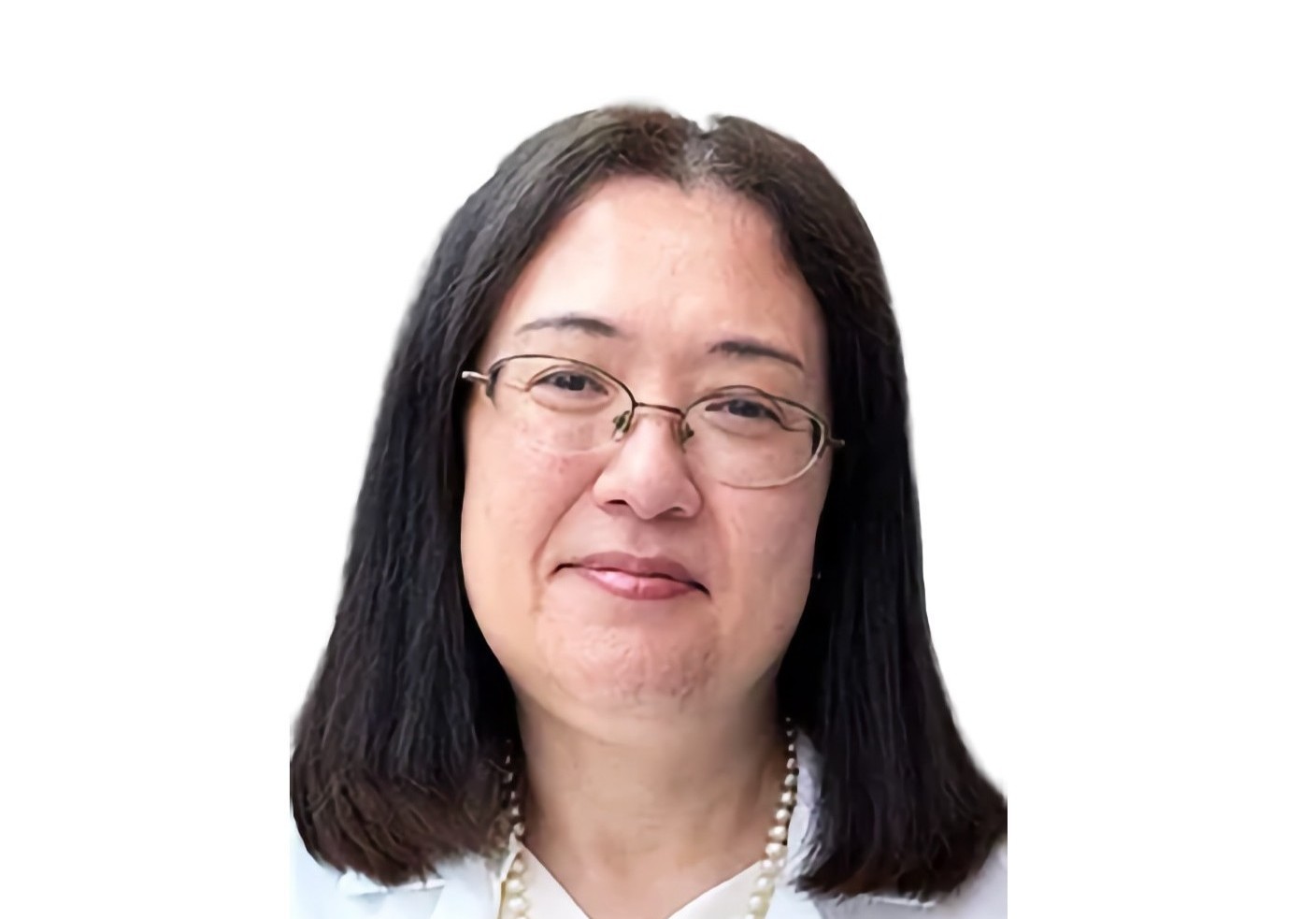
Dr. Wendy Chung discovered SLC1A4 Deficiency and the causative gene. She is the Chief of the Department of Pediatrics at Boston Children's Hospital. Dr. Chung directs NIH-funded research programs in human genetics and birth defects. She leads a large study of autism called SPARK and a study of 180 rare neurogenetic conditions called Simons Searchlight. She has also led studies to improve newborn screening for spinal muscular atrophy, Duchenne muscular dystrophy, and GUARDIAN (Genomic Uniform screening Against Rare Diseases In All Newborns).

Dr. Matthew Anderson serves as Investigator and Co-Director of the Oxford-Harrington Rare Disease Centre, a partnership between the University of Oxford and Harrington Discovery Institute at University Hospitals dedicated to advancing rare disease breakthroughs. Prior to joining the Oxford-Harrington Rare Disease Centre, he served as Vice President of Research and Preclinical Development, and Head of the Neuroscience Therapeutic Focus Area, leading a team of 45 scientists and physician drug developers at Regeneron Pharmaceuticals, Inc. Dr. Anderson also served as Chief of the Neuropathology Division at Beth Israel Deaconess Medical Center at Harvard Medical School, running a biomedical research program yielding breakthroughs in neurological, neuropsychiatric, and neurodevelopmental diseases, including epilepsy and autism.
Want to Support?
Whether you are a researcher, clinician, community leader, or simply someone who cares — there is a place for you in this effort.
Support